
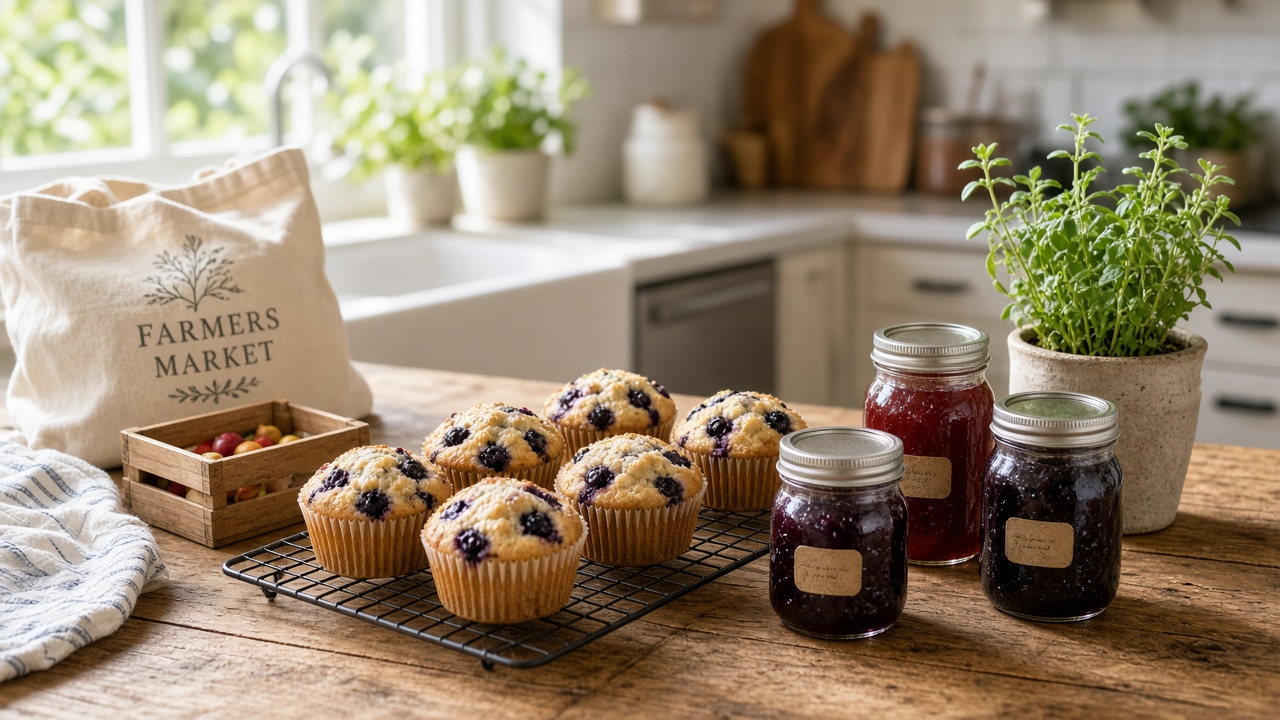
Illinois lets home producers sell a wide range of foods with no annual sales cap. It asks for two things up front that many states don't: a Certified Food Protection Manager credential and yearly registration with your local health department. Illinois also requires two different disclaimer sentences, one for the label and one for the point of sale, so read the wording closely.
Training comes first
University of Illinois Extension, which runs the state's cottage food education, says every operator and anyone preparing or packaging products must complete an ANSI-accredited Certified Food Protection Manager (CFPM) course and exam before registering. A basic food handler card isn't enough. Some county Extension offices teach the course. If you live in Chicago, you also need a Chicago Department of Public Health food service sanitation certificate.
Registering
- Register with the local health department where you live. If your county doesn't have one, the county contracts with a neighboring department.
- Renew every year. The fee can't exceed $50.
- You'll get a registration number that goes on your labels. Once registered, you can sell in other counties too. Extension suggests letting the other county's health department know as a courtesy.
- Health departments can inspect after complaints and can stop sales of misbranded or adulterated products.
Where you can sell
Illinois cottage food must go directly to consumers. Extension lists:
- Farmers' markets, including indoor and year-round markets
- Fairs, festivals, and public events
- Online sales
- Pickup from your home or farm, unless local law bans it
- Delivery to the customer
- Pickup from a third party's private property, with the owner's consent
Not allowed: selling to stores or restaurants for resale, wholesalers, brokers, or sales agents. Community supported agriculture (CSA) boxes only count if you're the only provider. The Institute for Justice reports that only non-TCS foods may be shipped, and only within Illinois. Confirm this with your health department before shipping.
What you can make
Illinois allows most foods and drinks except a prohibited list. According to IDPH and the Institute for Justice, the list includes meat, poultry, seafood, pumpkin and sweet potato pies, cheesecake, custard and crème pies, low-acid canned foods, sprouts, cut leafy greens, cut tomato or melon, wild-harvested mushrooms, alcoholic beverages, and kombucha. Canned tomato products, acidified foods, and fermented foods have extra recipe or testing requirements. IDPH's cottage food guide has the details.
The Illinois label
Labels must include:
1. The name of the cottage food operation and the unit of local government where it's located 2. The registration number from your health department and the municipality or county where you registered 3. The common or usual name of the food 4. All ingredients, including colors, flavors, and preservatives, in descending order by weight 5. Net weight 6. The date the product was processed or prepared 7. Allergens under federal rules (milk, eggs, wheat, peanuts, soy, fish, crustacean shellfish, tree nuts by name, and sesame) 8. This phrase, in prominent lettering: "This product was produced in a home kitchen not inspected by a health department that may also process common food allergens. If you have safety concerns, contact your local health department."
The point-of-sale placard (different wording)
At your booth, display: "This product was produced in a home kitchen not subject to public health inspection that may also process common food allergens." For online sales, show it at checkout.
For wedding cakes and other items that are hard to label, you can ask for a labeling exemption on the registration form. If it's granted, put the label information on a receipt that goes with the product.
Nutrition Facts
The Illinois cottage food rules don't require a Nutrition Facts panel. A nutrient or health claim on your label or website would bring in federal requirements. For multipacks of assorted cookies, an aggregate display puts several products in one panel.
Official source
Illinois Department of Public Health — Cottage Food, and University of Illinois Extension — Food Labeling and Placards.
Label formats for Illinois
Illinois cottage food questions
Do I need a food handler card or a CFPM in Illinois?
A Certified Food Protection Manager course and exam, completed before you register, according to Illinois Extension.
How much is Illinois cottage food registration?
It's set by your local health department, capped at $50, and renewed every year.
Does the label need a date?
Yes. Illinois requires the date the product was processed or prepared.
Can I sell to a coffee shop in Illinois?
No. Illinois cottage food can only be sold directly to the consumer.