Missouri's home food law, RSMo 196.298, is short and narrow. It exempts home kitchens from licensing and inspection, but only for three product categories. If your product isn't in one of them, the exemption doesn't apply, however low-risk the product might seem.
The three allowed categories
The Missouri Department of Health and Senior Services (DHSS) published guidance in March 2026. It lists:
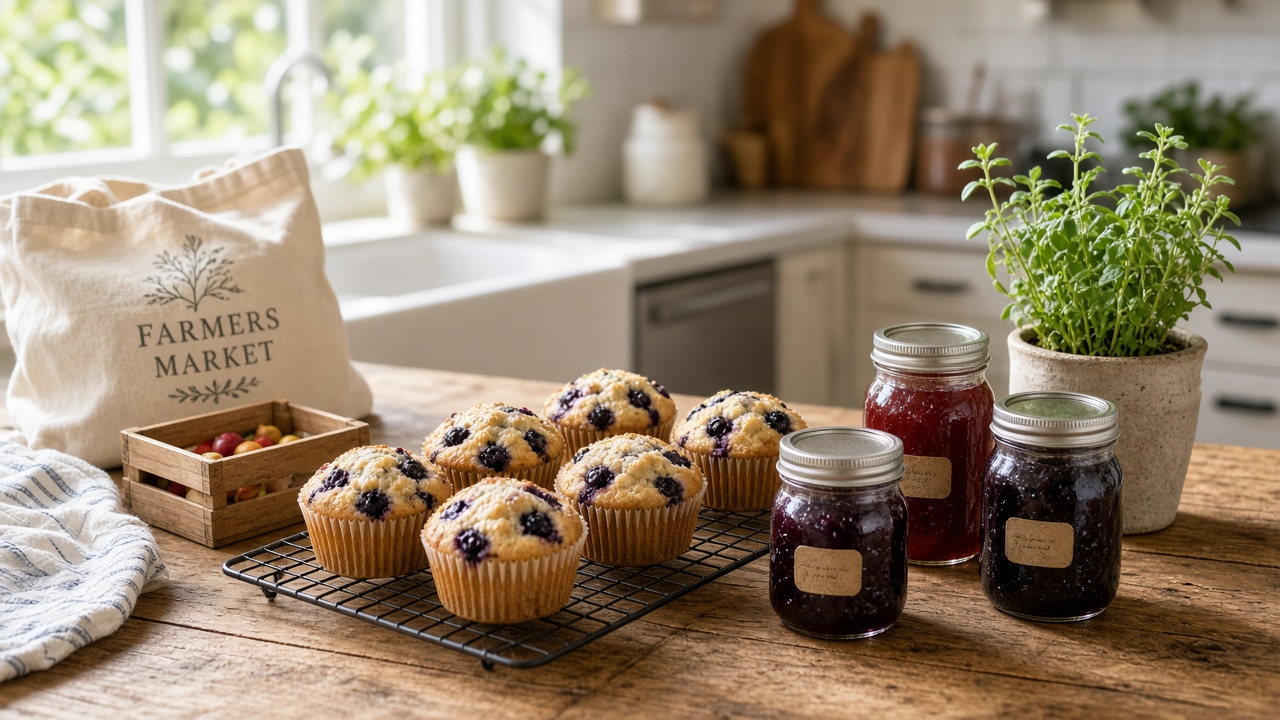
- Baked goods
- Canned jams or jellies
- Dried herbs or herb mixes
What DHSS says is not allowed
Several popular "it's basically jam" products are specifically excluded:
- No-sugar or sugar-free jams and jellies
- Hot pepper jams and jellies
- Salsa, pickles, and sauces
- Cut produce, and fresh-fruit garnishes on baked goods
- Freeze-dried foods
- Meats, dairy products, and eggs
- Pet food and treats
If your product is on this list, you'll need a licensed food establishment, such as a commissary or a commercial kitchen.
Who can sell, and where
- Products must be sold by the person who made them, or a knowledgeable household member, directly to the end consumer.
- Sales can happen at your home, at farmers' markets, and at events.
- Since August 28, 2022, online sales are allowed when both the seller and the buyer are in Missouri.
- No interstate sales.
- The Institute for Justice reports that mail delivery isn't allowed. Plan on handing off or delivering products yourself.
No cap, no permit
The 2022 changes removed Missouri's old $50,000 sales cap. Some third-party charts still show it, but it's out of date. There's no state permit or routine inspection. Your city or county may still require a business license, so check locally.
The Missouri label
Products must be labeled with:
- Your name and address
- The common name of the product
- Ingredients
- Net weight
- Allergens under federal rules
- A statement that the product was prepared in a home kitchen that is not subject to inspection by the Missouri Department of Health and Senior Services
Use the exact wording given in the DHSS guidance.
The Institute for Justice also reports that a placard with the same notice is expected at the point of sale.
A note on honey and infants
Honey isn't one of the three statutory categories. If you're adding honey to baked goods or herb blends, though, the Institute for Justice recommends an infant warning, such as "Do not feed honey to infants under one year old". It's a sensible addition.
A quick self-check before you sell
- Is the product a baked good, a canned jam or jelly made with sugar, or a dried herb or herb mix? If not, stop here.
- Will you or a knowledgeable household member hand it to the person who'll eat it? If a café or shop would resell it, the exemption doesn't apply.
- Is the buyer in Missouri? Online orders are fine. Out-of-state customers are not.
- Does every package have your name and address, the product name, ingredients, net weight, allergens, and the DHSS home-kitchen statement?
If you can answer yes to all four, you're likely within the exemption. If not, talk to your local health department about a licensed kitchen.
Nutrition Facts
Missouri's exemption doesn't require a Nutrition Facts panel. Low-sugar jam is already outside the exemption, which removes the most common claim-driven label. Any other nutrient claim on a baked good, like "high fiber" or "low fat", brings in federal rules. The standard vertical format fits most bread and cookie packaging.
Official source
Missouri DHSS — Home-Based Kitchen Food Production Guidance (March 2026, PDF). Statute: RSMo 196.298.
Label formats for Missouri
Missouri cottage food questions
What foods can I sell from my home kitchen in Missouri?
Only baked goods, canned jams or jellies, and dried herbs or herb mixes, under RSMo 196.298.
Can I sell sugar-free jam from home in Missouri?
No. DHSS guidance excludes no-sugar and sugar-free jams and jellies, and hot pepper jams.
Is there a sales limit for Missouri home kitchens?
No. The former $50,000 cap was removed in 2022.
Can I sell online in Missouri?
Yes, if both you and the buyer are in Missouri.